
Benefits of Industrial Metal Shelves and Pallet Racking
Industrial metal shelves and industrial pallet racking are two fundamental systems used in warehouses and storage facilities worldwide. While they serve the primary purpose of storage, their designs, capacities, and applications differ significantly, making them suitable for different types of inventory and operational needs.
Industrial metal shelves are typically designed for storing smaller, lighter items that do not require mechanical handling. These shelving units are usually made of high-strength steel and come in various sizes and configurations. They are ideal for facilities that handle a variety of small parts, tools, and supplies. Metal shelf units can be easily adjusted to different heights, allowing for flexible storage options. This adaptability is particularly useful in environments where the types of stored items frequently change, such as retail backrooms, automotive shops, and maintenance areas.
Advantages Between Industrial metal shelves and Pallet Racking
One of the key advantages of industrial metal shelves is its accessibility. Since items are stored at a height that can be easily reached by hand, employees can quickly locate and retrieve products without the need for forklifts or other machinery. This not only speeds up the picking process but also reduces the risk of workplace injuries associated with heavy lifting. Additionally, metal shelves can be configured with various accessories like bins, drawers, and dividers to further organize and separate different types of inventory, enhancing efficiency and orderliness.
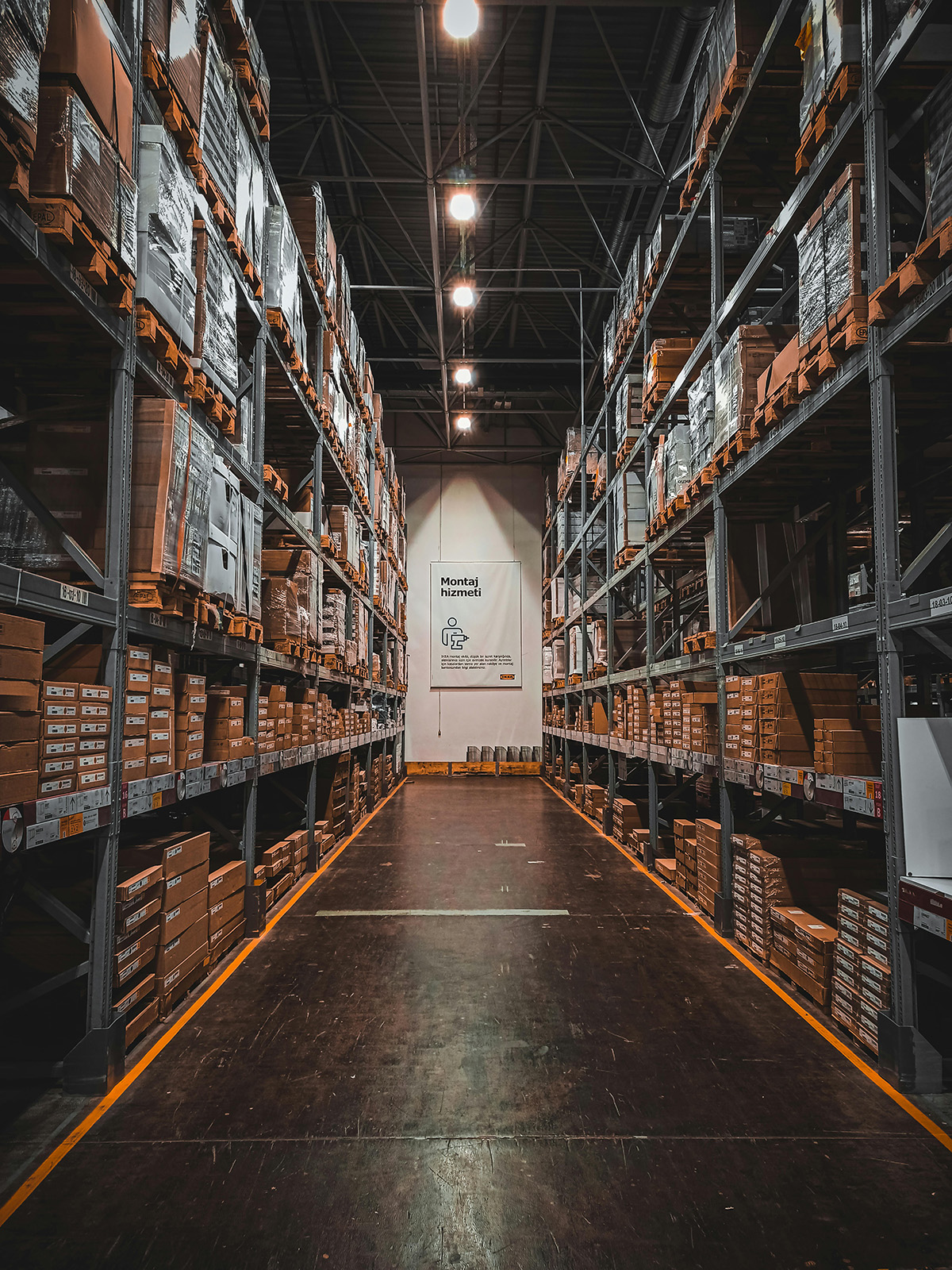
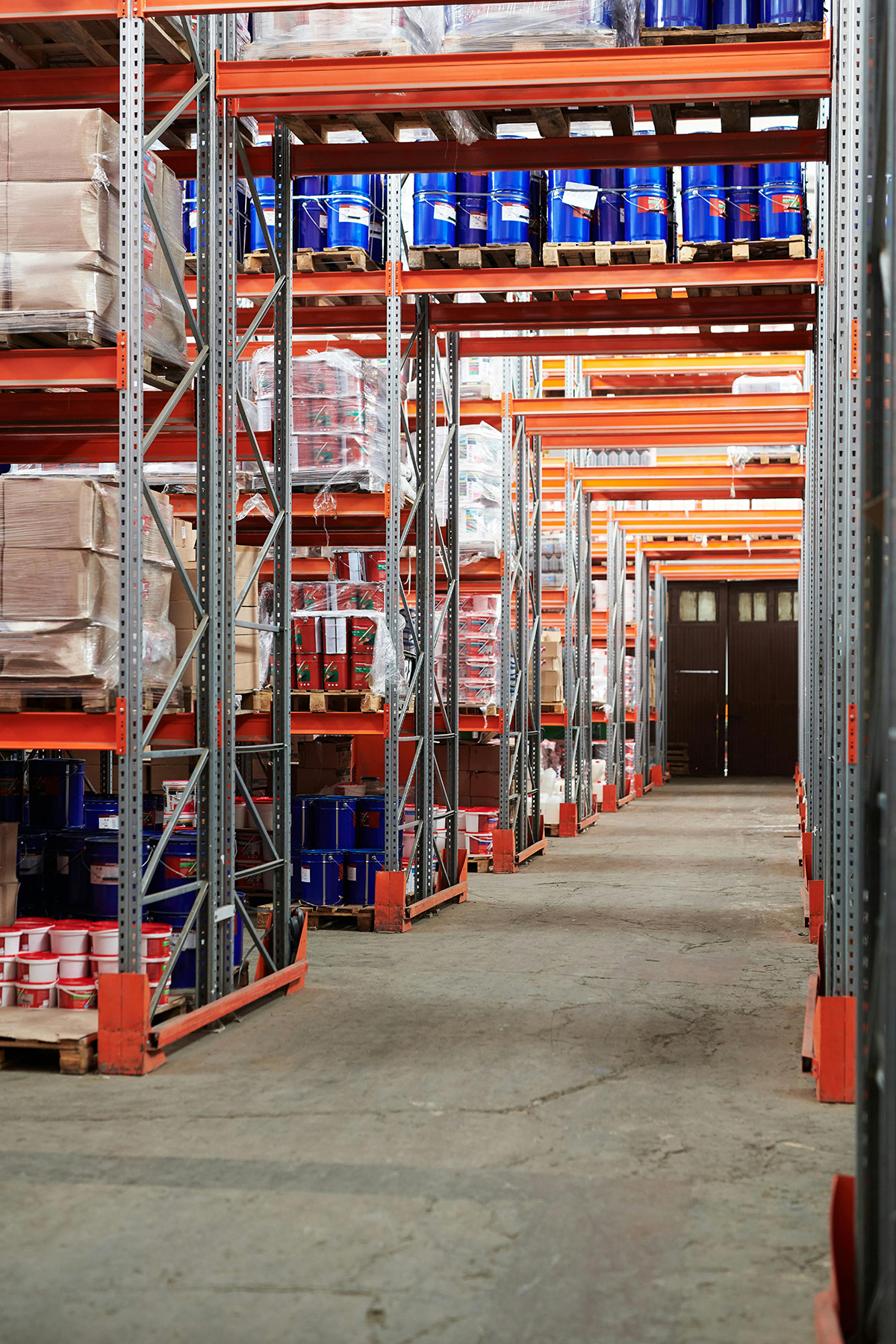
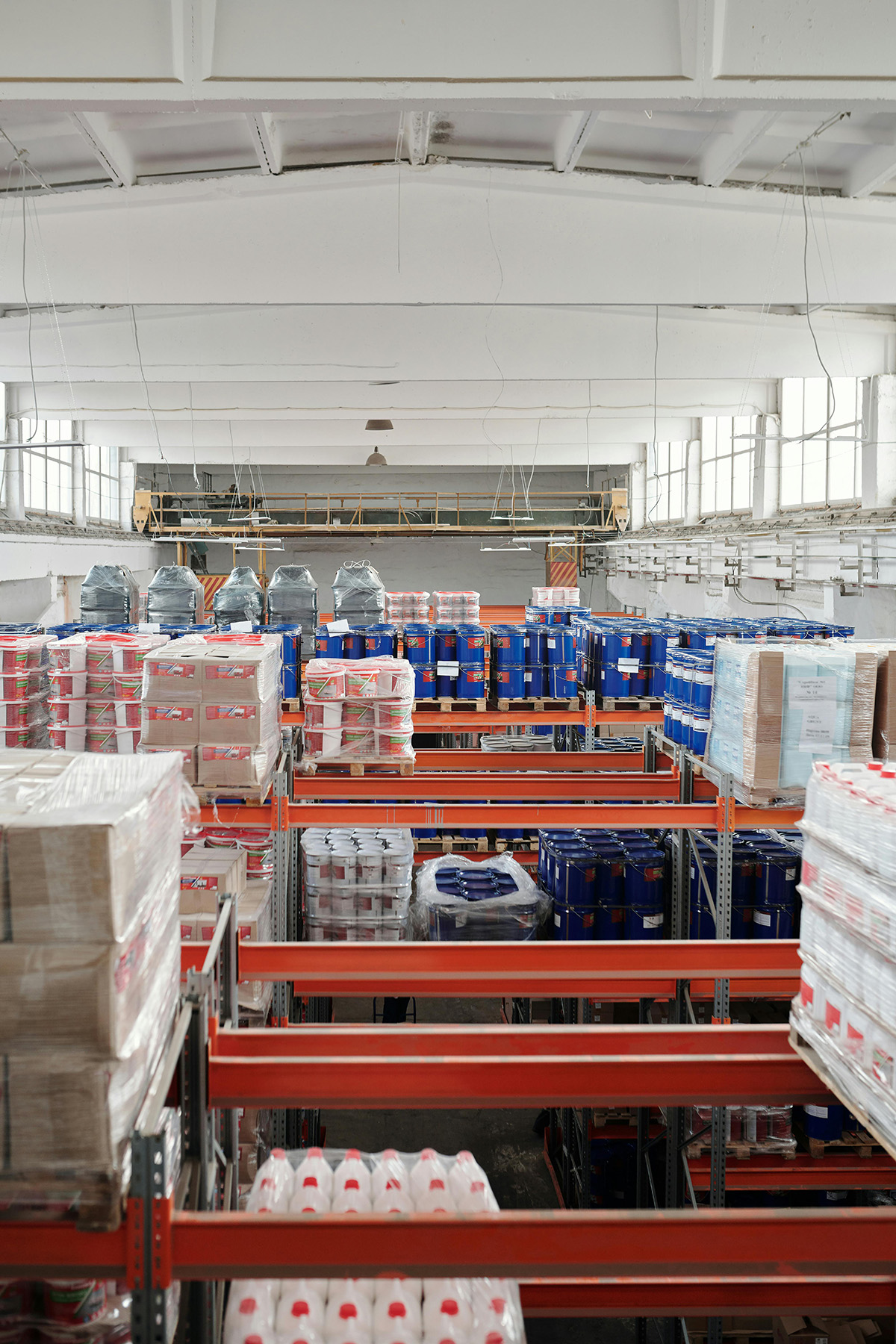
On the other hand, industrial pallet racking is designed to accommodate heavy, bulky items typically stored on pallets. This type of storage system is prevalent in large warehouses, distribution centers, and manufacturing facilities where the volume of goods is substantial. Pallet racking systems are constructed from robust steel frames that can support significant weight loads. The racks are designed to maximize vertical space, allowing for high-density storage and optimal utilization of the warehouse’s cubic footage.
There are several types of pallet racking systems, including selective, drive-in, drive-through, push-back, and pallet flow racks. Each type serves a specific purpose and is chosen based on the nature of the inventory and the operational workflow. For instance, selective pallet racking is the most common and allows for easy access to each pallet. In contrast, drive-in and drive-through racking systems are used for high-density storage, where pallets are stored several deep, reducing the number of access aisles and increasing storage capacity.
The use of industrial pallet racking typically requires mechanical handling equipment, such as forklifts or pallet jacks, to load and unload pallets. This requirement makes pallet racking suitable for operations dealing with large quantities of goods that need to be moved efficiently. The ability to store items vertically and in bulk also helps in organizing inventory systematically, reducing clutter, and improving inventory management.
Commonalities
Despite their differences, both industrial metal shelves and pallet racking share some common features. They are both designed to be durable and long-lasting, capable of withstanding the demands of busy warehouse environments. They also provide customizable storage solutions, with options to adjust shelving heights, add accessories, or expand the system as storage needs grow.
Understanding the distinctions between industrial metal shelves and industrial pallet racking is crucial for businesses to optimize their storage solutions. Selecting the appropriate system can significantly impact operational efficiency, inventory management, and overall productivity. By assessing the specific requirements of their inventory and workflow, businesses can implement a storage solution that best fits their needs, whether it be the flexibility and accessibility of metal shelves or the high-density, heavy-duty capabilities of pallet racking.